

HoReCa ищет баланс: профессиональная кухня выбирает продукты с ЗМЖ

28.05.2026
HoReCa ищет баланс: профессиональная кухня выбирает продукты с ЗМЖ
Previous
Next
Продукты с ЗМЖ: как подобрать решение и не потерять в качестве

Продукты с ЗМЖ: как подобрать решение и не потерять в качестве23.04.2026

Пралине: технология совершенства

Пралине: технология совершенства30.04.2026

Готовая еда стала доступнее, выбор – шире, а терпение покупателя – короче. Для игроков рынка HoReCa это означает одно: стабильное качество блюда при жестком контроле затрат. Именно здесь спреды и молокосодержащие продукты открывают новые возможности – технологические, экономические и гастрономические. Эксперты ГК «ЭФКО» рассказывают о том, как эти продукты становятся полноценным технологическим инструментом на профессиональной кухне.


Рынок HoReCa за последние годы пережил несколько серьезных испытаний: локдаун, санкции, а теперь – приход новых игроков. Сервисы доставки и офлайн-ретейл активно осваивают нишу готовой еды, конкурируя прежде всего ценой и доступностью. В этих условиях использование классических молочных продуктов во многих сегментах становится нерентабельным: растут затраты на производство, сокращаются сроки годности. Спреды и молокосодержащие продукты позволяют решить эти задачи без потери качества.


Сегмент HoReCa – один из наиболее интересных каналов сбыта. В отличие от розничной торговли, где продукт оценивается потребителем напрямую, здесь он выступает сырьевым компонентом. А значит, переработчик ждет от него прежде всего стабильности и технологичности.


На профессиональной кухне спреды и молокосодержащие продукты давно вышли за рамки «замены» – они работают как полноценный технологический инструмент: позволяют управлять текстурой, обеспечивают стабильность при термической обработке, дают возможность адаптировать блюда под разные форматы и помогают выстраивать экономику рецептуры.


Сырные продукты


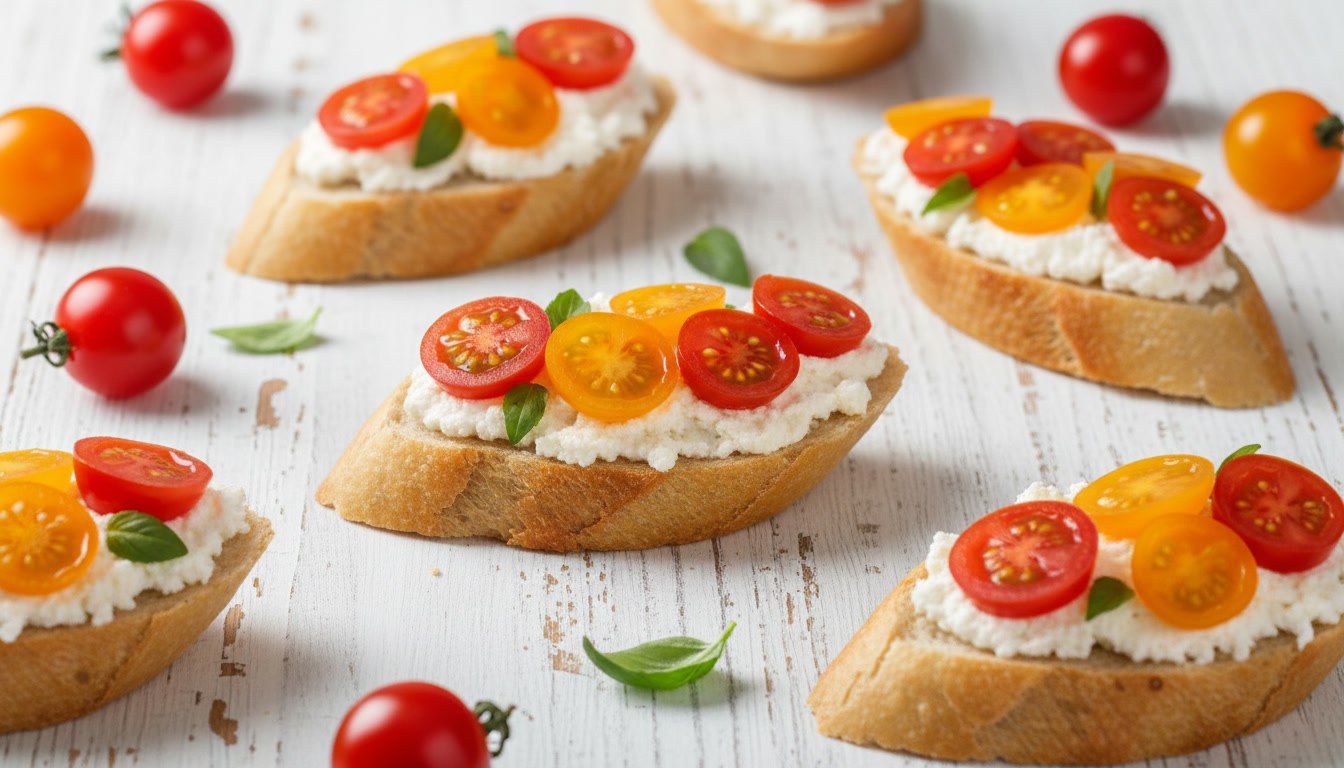
Сливочные и творожные сыры, кремчиз, сыры для пиццы – все это неотъемлемая часть меню пиццерий, суши-баров и кафе. Их используют в сэндвичах, пастах, салатах, начинках и десертах. При этом требования к таким продуктам высокие: нужная плотность, способность к плавлению, вытягиванию и образованию устойчивых нитей. Добиться этих характеристик позволяет ЗМЖ Oilblend 1003-36 от «ЭФКО» – оптимальный компонент для производства молокосодержащих продуктов по технологии сыра.


Спреды


Гастрономический спред должен сочетать хорошие органолептические и технологические свойства: легко намазываться, выдерживать нагрев, иметь чистый сбалансированный профиль без посторонних привкусов. Кроме того, спред должен соответствовать всем нормам микробиологической безопасности и сохранять стабильность на протяжении всего срока годности. Дополнительный плюс – пониженное содержание насыщенных жиров. Всем этим требованиям отвечает ЗМЖ «Эколакт 1403-35». 


При необходимости текстуру и плотность спреда можно регулировать: соевый лецитин повышает пластичность, а эмульгатор ЖСН «Кристаллизатор 01» улучшает термоустойчивость и твердость, а также предотвращает выделение жидкого жира.



Кремы


В кондитерском производстве кремы на основе спреда и сметанного продукта для взбивания – привычный формат. Качество крема напрямую зависит от жировой фазы: правильно подобранный ЗМЖ обеспечивает нужную воздушность, взбитость и плотность. Для сметанного продукта оптимален Oilblend 1003-36, для спреда – Oilblend 1503-33 с мягким профилем плавления и пластичной консистенцией.


Для дополнительного улучшения технологических свойств в рецептуру вводят эмульгаторы: «Экомулс» PGE повышает устойчивость пены и способность массы насыщаться воздухом, а «Экомулс» ДМГ 60 улучшает влагопоглощающую способность крема.


Творожные продукты


Творожные продукты для HoReCa должны сохранять форму при нагреве и давать стабильный результат в самых разных кулинарных решениях. Необходимую термо- и формоустойчивость обеспечивает ЗМЖ Oilblend 1003-36.


Отдельного внимания заслуживает обогащение творога пищевыми волокнами – тренд, который активно набирает силу. Растительные волокна повышают пищевую ценность продукта, придают ему пребиотические свойства и отвечают запросу на осознанное питание. Параллельно улучшаются и технологические характеристики: формируется более плотная структура, повышается влагоудерживающая способность и термостабильность, изделия лучше сохраняют форму при нагреве.


Спреды и молокосодержащие продукты на базе ЗМЖ занимают на рынке HoReCa все более уверенную позицию. Технологичность, стабильность и гибкость состава позволяют создавать продукты под конкретные задачи производителя – и при этом оставаться конкурентоспособными по цене. Эксперты ГК «ЭФКО» готовы помочь с подбором решений. Напишите нам tpp@efko.ru.

Previous
Next

In the Alekseevskaya Sloboda of the Belgorod province, where in the late 1820s, sunflower oil was produced for the first time in the Russian Empire, and the first oil mill in Russia was built.

During the years of the First World War, and then the Civil War, production was completely stopped. The restoration of the plant began only in 1923. The main focus of its work remained the processing of coriander and anise. In 1936, the second oil extraction plant in all of Russia was built in Alekseevka. Later, both enterprises were merged into one of the largest essential oil extraction complexes in the Soviet Union.

During the Great Patriotic War, the complex was almost destroyed. Restoration work, which began in 1943, continued until the end of 1948. In the post-war period, comprehensive reconstruction was carried out on many sections using the latest technological advancements. By the 1970s, the Alekseevsky essential oil extraction complex produced up to 80% of the world's coriander oil. For its achievements in production development, the development and implementation of advanced technology, by decree of August 14, 1972, the Supreme Soviet of the USSR awarded the plant the Order of the Badge of Honor.

Unfortunately, in the 1990s, the enterprise that brought fame and wealth to the people of Alekseevka fell into decline and practically collapsed. The revival of the enterprise began in 1994 with the arrival of a new team and the creation of the EFCO Group.

The enterprise underwent large-scale modernization of production and established a new management system. The company decided to return to its roots and resume the production of sunflower oil. Later, EFCO expanded the range and volume of products.

In 2002, a new business direction was opened, and the most modern plant for the production of specialized fats and margarines for the food industry, EFCO Food Ingredients, was launched in the city of Alekseevka, Belgorod region. A scientific and production laboratory was established at the plant, equipped to control product quality at all stages of production and conduct in-depth scientific research.

In 2002–2003, EFCO technologists mastered the most environmentally friendly process of vegetable oil processing – the 'dry' fractionation method, applied the technology of physical refining of oils and fats, and managed to create Russia's first cocoa butter substitute 'Ecolad,', milk fat substitute 'Ecolact,', solid confectionery fat 'Ekond,', soft confectionery fat 'Ekonfe,', universal margarines 'Ecouniversal,', frying shortenings 'Ecofri,', and the first domestic fats with minimal trans-isomers content – confectionery fats 'Econat.'

In 2005, the R&D center of the fats and oils division was created based on EFCO Food Ingredients, consisting of the Applied Research Center and the Pilot Plant Department. The center’s specialists are engaged in developing and testing fat products for healthy eating lines and innovative recipes, taking into account the needs of manufacturers.

In 2006, the company was the first in Russia to successfully pass an audit for compliance with the quality and safety requirements of the BRC (Global Standard for Food Safety) and the International Food Standard (IFS).

In 2008, the second plant for the production of specialized fats and margarines was launched in the port of Taman in the Krasnodar Territory, and the only deep-water sea terminal for food cargo in Russia was built.

The following year, the plant successfully passed certification for compliance with the quality and safety requirements of the British Retail Consortium (BRC) and the International Food Standard (IFS). International auditors awarded the company the highest compliance level – Grade AA.

In 2014, the company’s technologists created the first domestic equivalent of cocoa butter.

In 2015, the EFCO Group launched a project to create a unique fats and oils cluster in the Republic of Kazakhstan. Thanks to production modernization and the transfer of global technologies, the production of specialized fats and margarines meeting the highest international standards was established in a short time.

In 2016, EFCO opened its fourth site for the production of specialized fats and margarines at the Evdakovsky fats and oils plant in the Voronezh region.

In 2021, production capacity at the Taman port facility was increased – launching the world's first 'million-ton plant' for the production of specialized fats and margarines.

In 2023, the company launched the only shea nut processing plant in Russia.

Thanks to R&D and significant investments by domestic producers in developing their own infrastructure, primarily by EFCO, the share of imported producers in the Russian food ingredients market has decreased from 49% to 9% over the past 15 years and continues to decline.

Almost 200 years later, Alekseevka remains the largest center for vegetable oil processing in the country.