
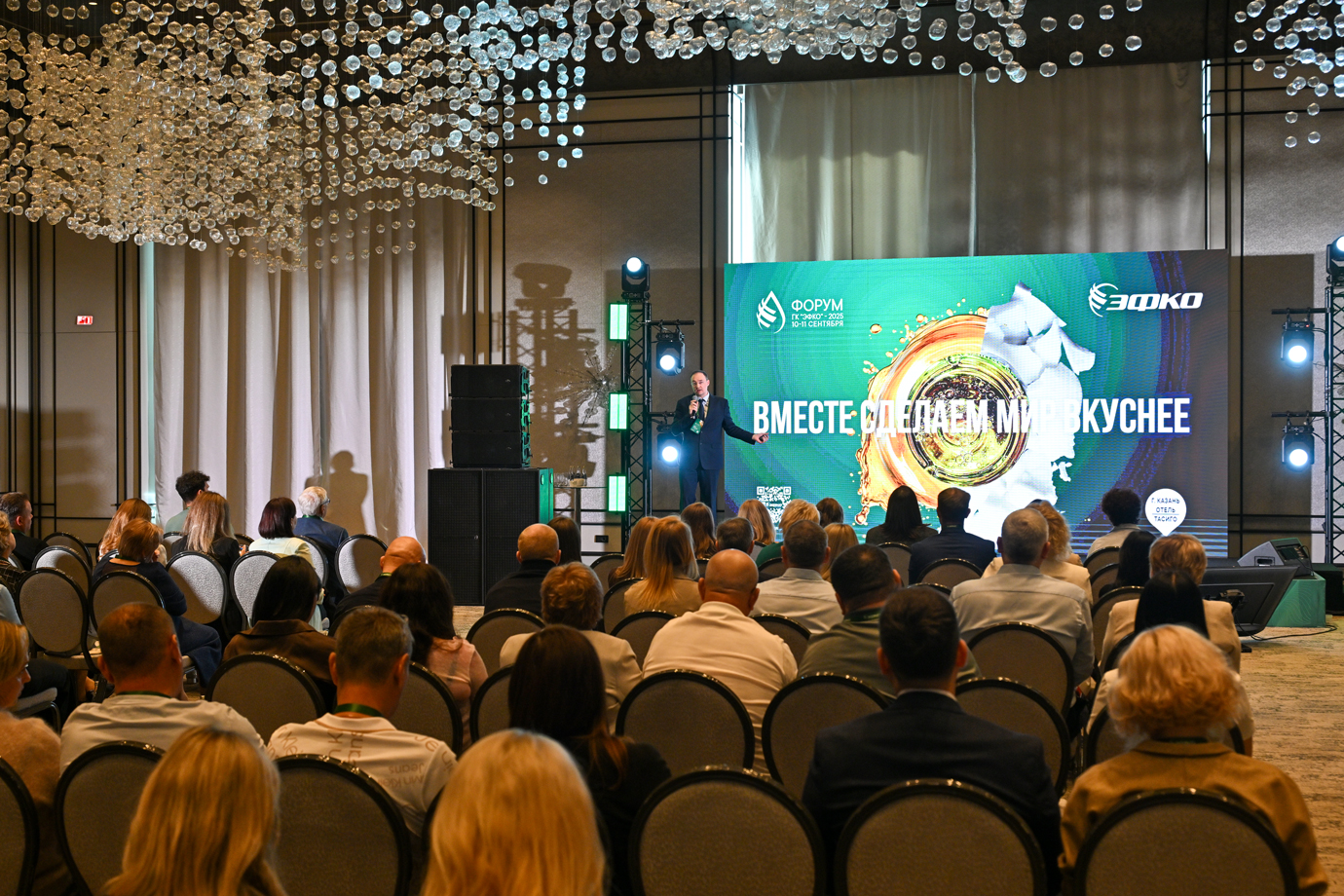
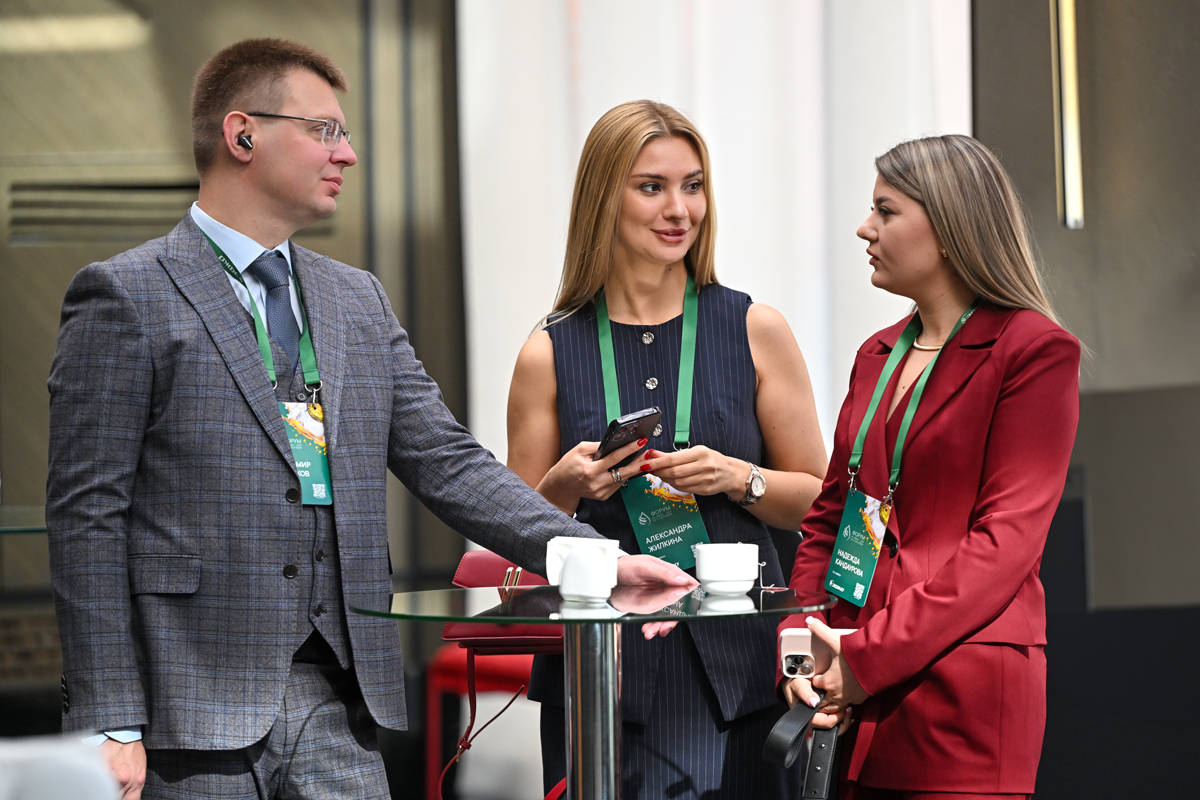
What will the food of the future be like — tasty, "smart," or healthy? Or maybe all at once? Participants at the forum of the EFKO Group's oil and fat division in Kazan sought answers to these questions. The event brought together leaders from the confectionery, bakery, and dairy industries.
For two days, representatives from over 50 of the largest food production companies, analysts, scientists, and industry experts discussed the latest news in the food ingredients market and the steps manufacturers should take now to avoid being left in the past.
Long ago, food was a means of survival. Today, it is an engine of innovation and a powerful factor shaping entire industries. The mammoth hunt has turned into restaurant delivery, stone-baked flatbreads have become croissants with almond cream, and cows are no longer the only source of milk—plants now provide it too. Now, food is about enjoyment, new ingredients, and technology.
How do you keep pace with a rapidly changing world and create products that consumers are sure to love? First and foremost, listen to those who are already shaping the future of the industry. "Generations Z and Alpha are the new 'digital natives'", said Marina Luchina, a forum speaker and Director of the Regular and Syndicated Research Department at the marketing research company Ipsos. Smart and digital from birth, they eat on the go, choose flavour over calories, and enjoy experimenting. Manufacturers are already adapting to this approach: convenient formats, portioned packaging, eye-catching drops, exclusives, and total personalization.
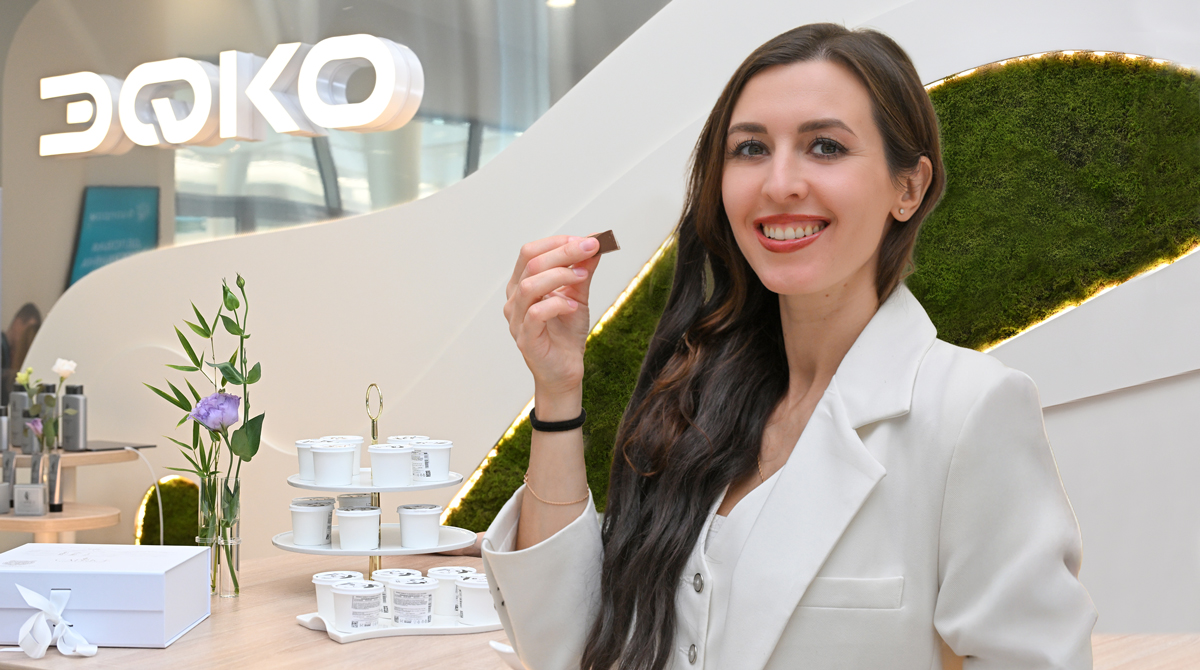
At the tasting, guests were able to sample new, unusual formats that would appeal to representatives of different generations — puff pastry twisters with Provence herbs, glazed cheese curds with the flavour of Dubai chocolate, and chocolate spreads and pastes.
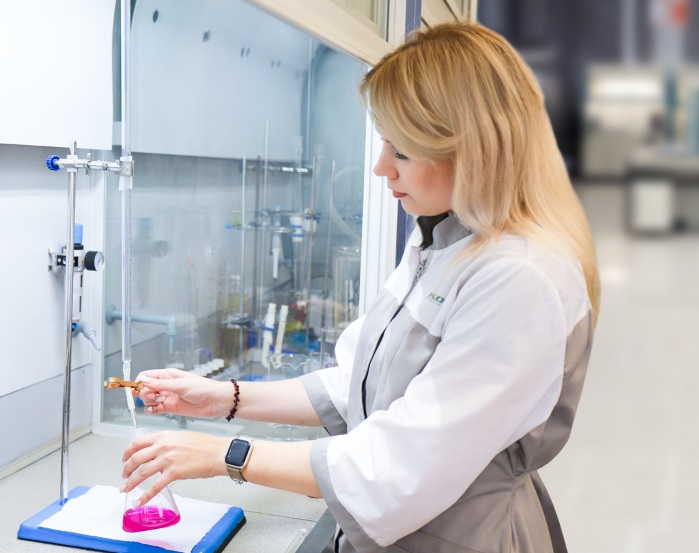
Science and food technology are opening up more and more opportunities to create not just tasty, but truly healthy products.
|
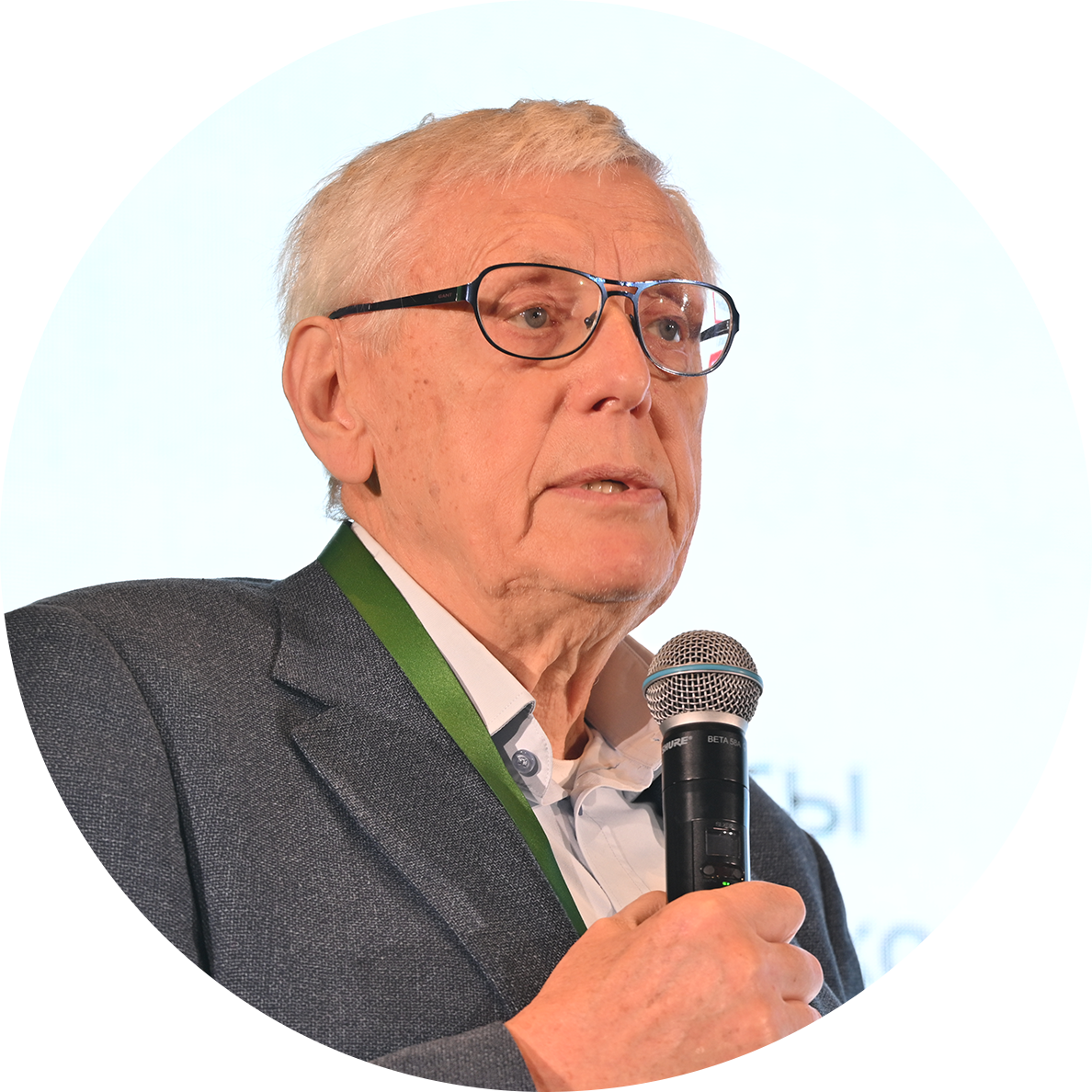
Oleg Medvedev Doctor of Medical Sciences, Professor, Head of the Department of Pharmacology at Moscow State University |
"Manufacturers' greatest interest is currently focused on finding new alternatives to sugar. Sweet protein is an innovative ingredient that does not raise blood glucose levels and has no impact on the human microbiome. Furthermore, it allows for the creation of delicious, next-generation sweets, as we saw demonstrated at the tasting today". |
Forum participants tried sugar-free ice cream and candies made with the sweet protein brazzein and analyzed their consumer and organoleptic properties.
|
Valentin Spichkov Head of the Food Market Department, Ministry of Agriculture and Food of the Republic of Tatarstan |
"Sweets with sweet protein were one of the interesting discoveries at the forum. It was very unusual. I didn't think it was possible to make such delicious sweets without sugar".
|

|
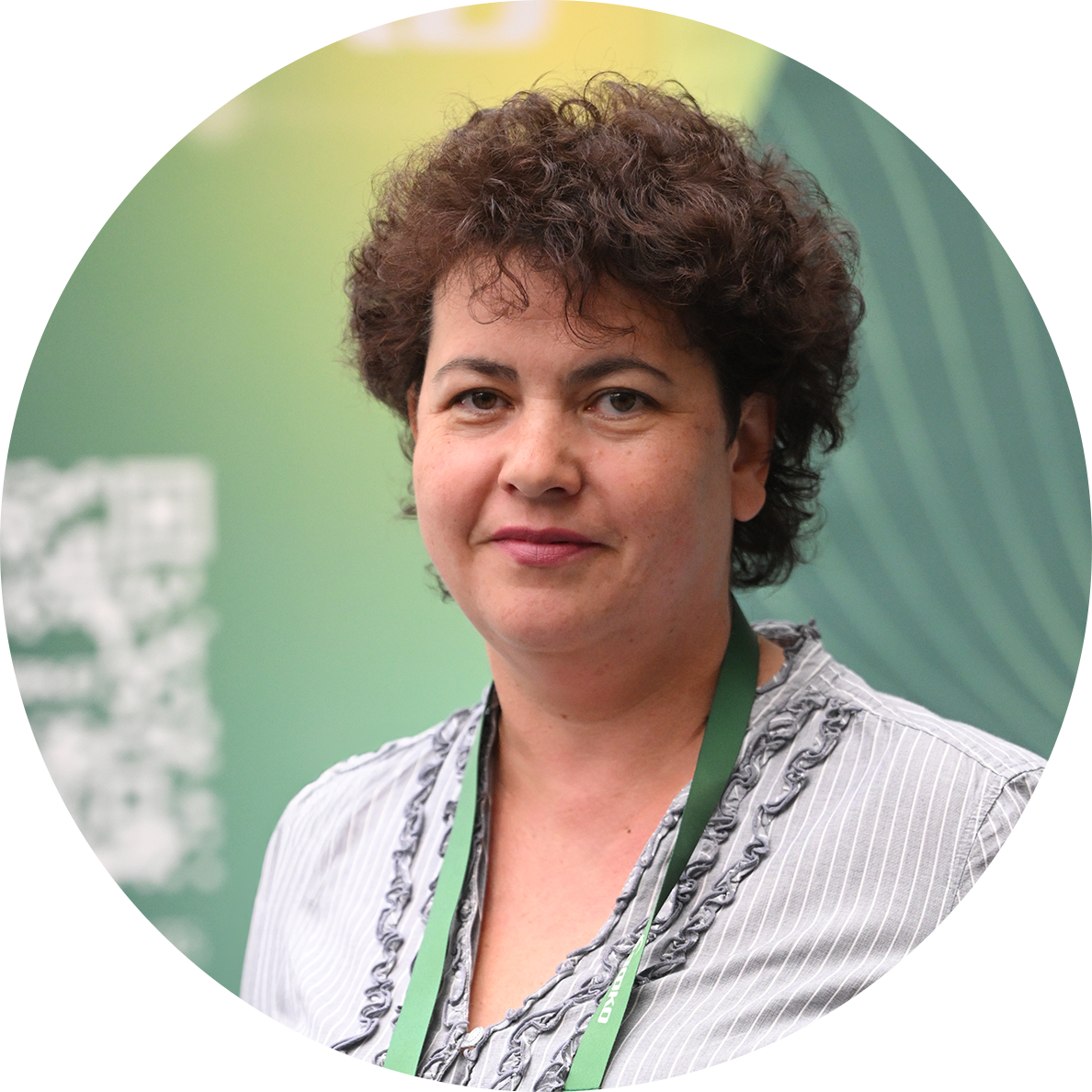
Galina Lopatkina Chief Technologist at the Pobeda Confectionery Factory |
"We use EFKO confectionery fats and test all new products. We were among the first to be offered a sample of the sweet protein. We worked closely with the technologists, tasting different recipes—both those we prepared ourselves and those suggested by EFKO's technologists. During joint tastings, we arrived at some common solutions and concepts. There is now a prospect of using sweet protein in specific products. We won't be incorporating it into existing ones, but we plan to specifically develop new ones. Protein bars or wafer candies are a possibility". |
In recent years, ingredient specialists have faced not only technological challenges. Sanctions and the departure of foreign companies have given manufacturers a powerful impetus to develop new business directions.
|
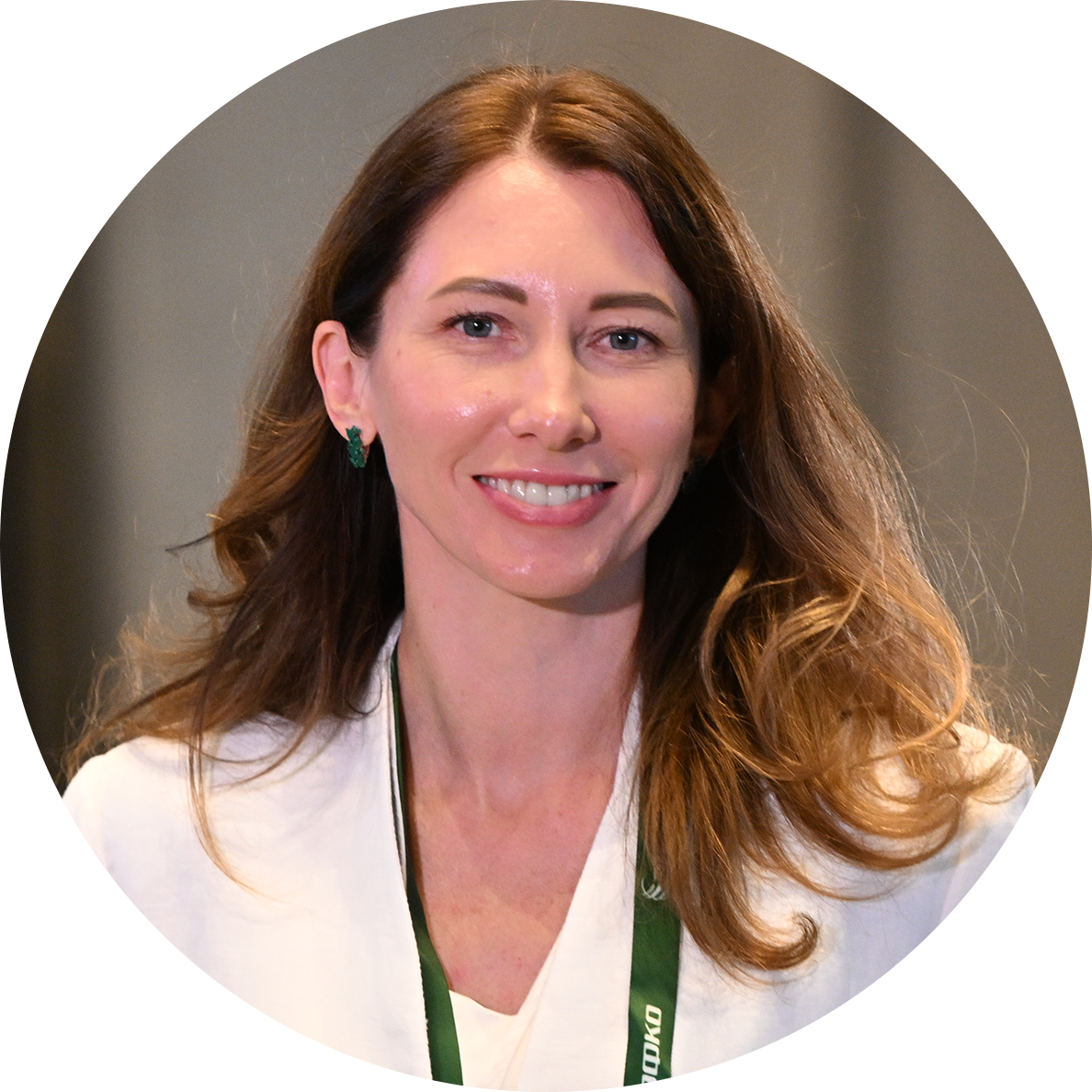
Alena Surkova Director for the Confectionery Industry, Oil and Fat Division, EFKO Group
|
"Import substitution is not about 'doing the same,' but about 'doing better.' Our company has launched a number of high-tech production facilities and introduced new ingredients for various industries to the market: emulsifiers, crystallizers, confectionery fats with exotic oils, and egg products. All of this is the result of extensive collaborative work with partners and the scientific community".
|
|
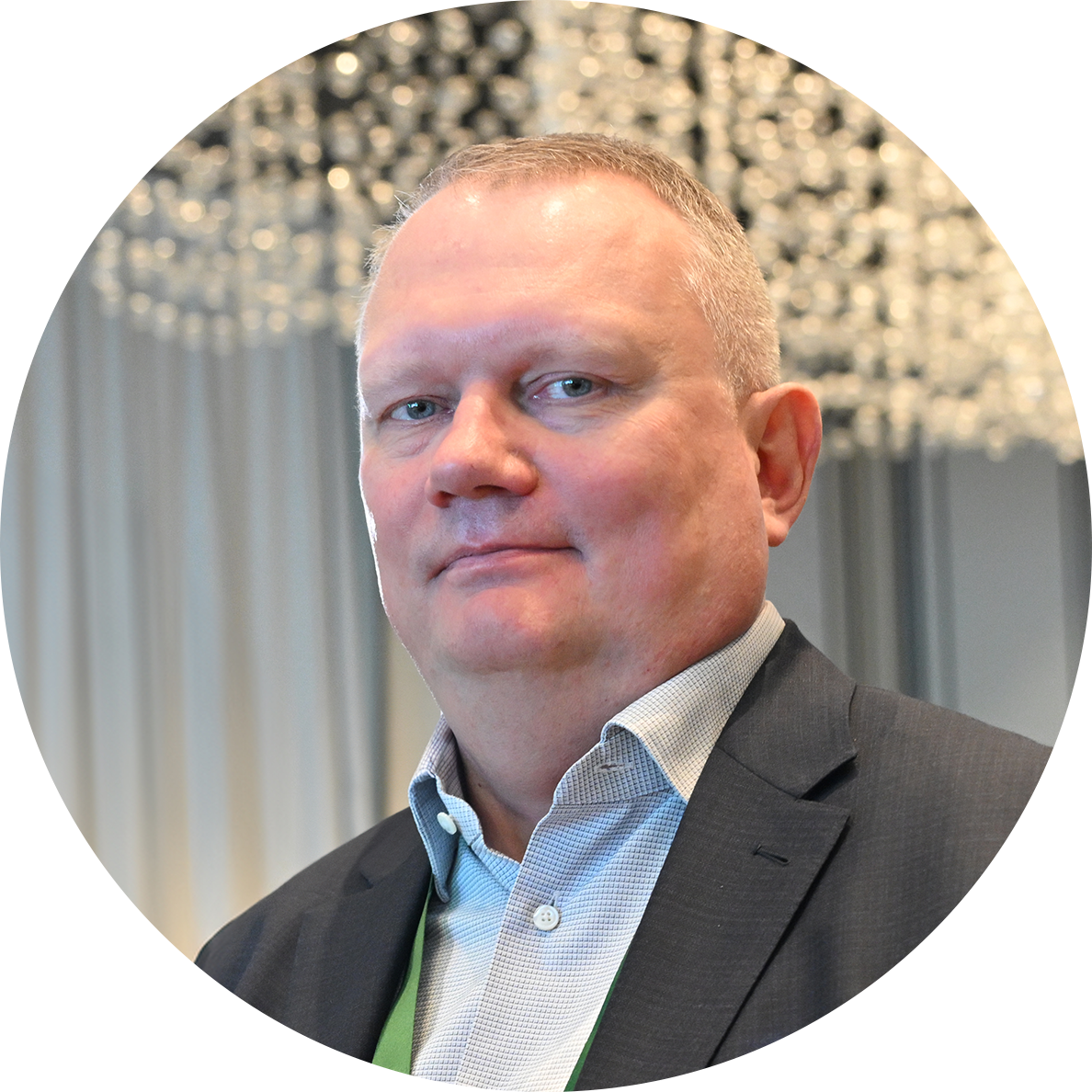
Andrey Romanov General Director of Zemlyansk Moloko |
"We started working with EFKO as soon as the company began producing milk fat replacers. Previously, we were forced to use foreign products, since this area of industry was practically non-existent in Russia. EFKO is one of the pioneers in this segment. And I can say that with strict adherence to technology and the selection of quality ingredients, products with milk fat replacers represent a healthy and, obviously, more affordable alternative to dairy products". |
|
Boris Bashilov Director of Osnova Agro Company |
"I have been involved in the distribution of EFKO food ingredients to various manufacturers for over 15 years, primarily in the Bryansk region. One of the key advantages of working with EFKO is, of course, the technological support. You don't just deliver a product. There is a technologist who can advise on which specific product is suitable; they can come directly to the production site and work through everything the customer needs. Among the recent promising products, I would highlight frying oils, which are in demand primarily in the HoReCa market". |
The forum in Kazan was not just a platform for exchanging experience — it showed how quickly the food industry is changing. In such a situation, it is important not only to adapt to changes but also to shape the future, where science, technology, and taste work together to make food "smart," delicious, and truly healthy.